
Dr. Vipin Singh
Complex Trauma & MIS Fracture Specialist
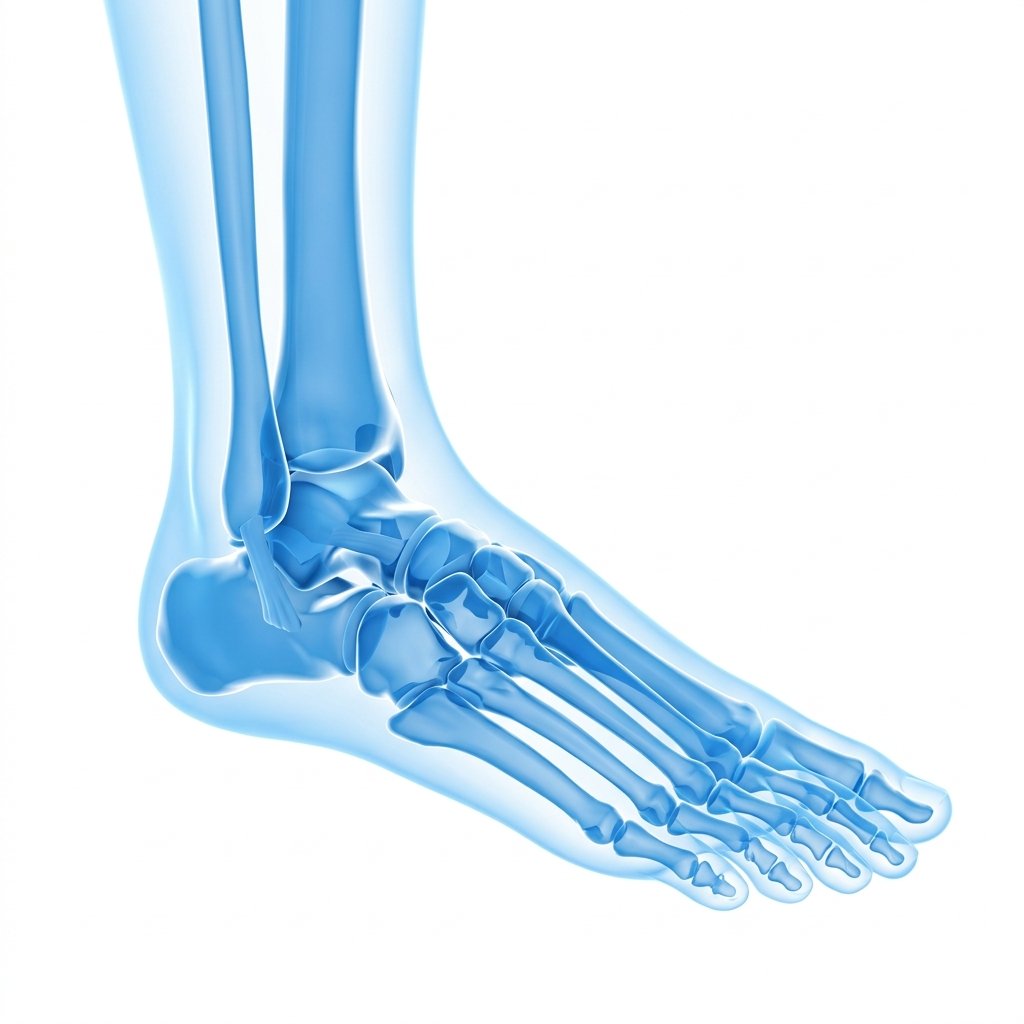
Minimally Invasive
MIS Fracture Fixation
Advanced minimally invasive fracture fixation for selected complex fractures by Dr. Vipin Singh, an orthopedic doctor in Indore.
Why Choose MIS Fracture Fixation?
Soft-Tissue Preservation
Small-incision techniques may reduce soft-tissue disruption while supporting stable fracture fixation.
Smaller Surgical Approaches
Plates or nails are selected according to the fracture pattern, bone quality and treatment goals.
Stable Internal Fixation
Careful surgical planning aims to preserve surrounding tissues and support the natural healing process.
Individual Recovery Planning
Rehabilitation and weight bearing are progressed according to fixation stability and bone healing.
MIS is not suitable for every fracture. The surgical approach depends on fracture location, displacement, joint involvement, skin and soft-tissue condition, bone quality and the patient’s overall health.
MIS Fracture Solutions
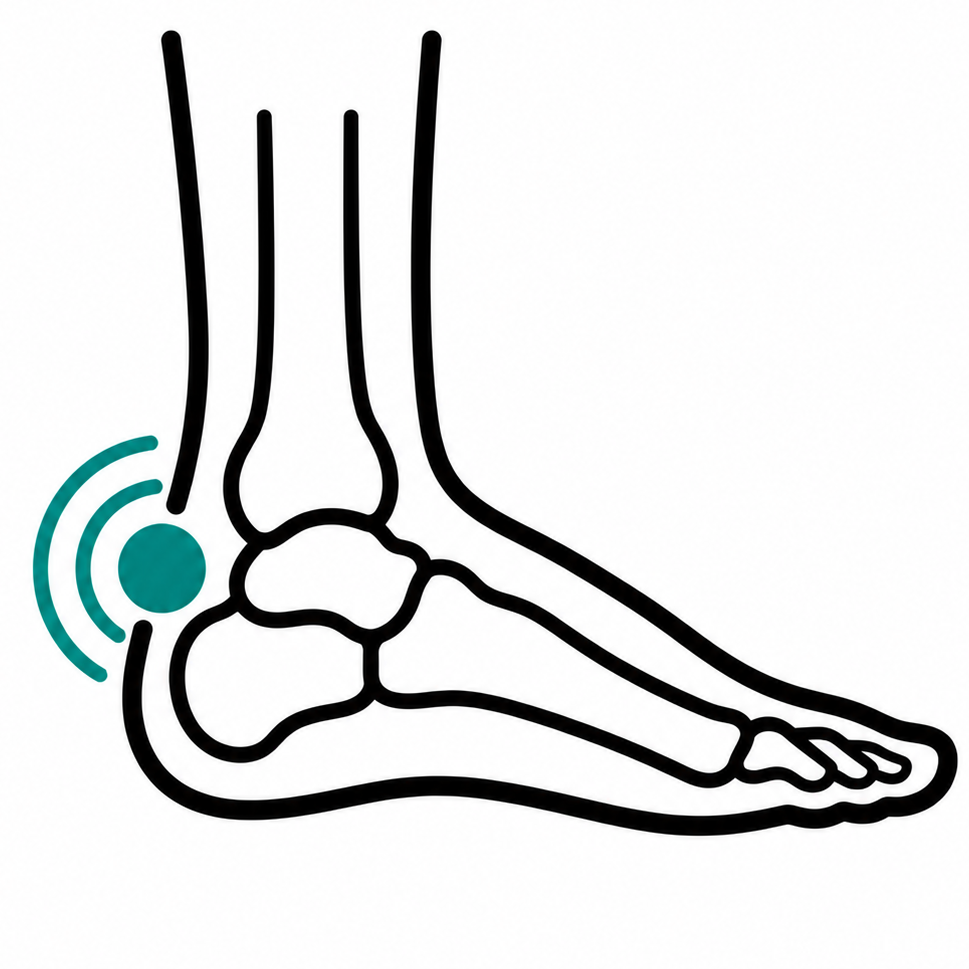
MIPO Plating & Intramedullary Nailing
Minimally invasive plating or nailing for selected long-bone fractures requiring stable internal fixation.
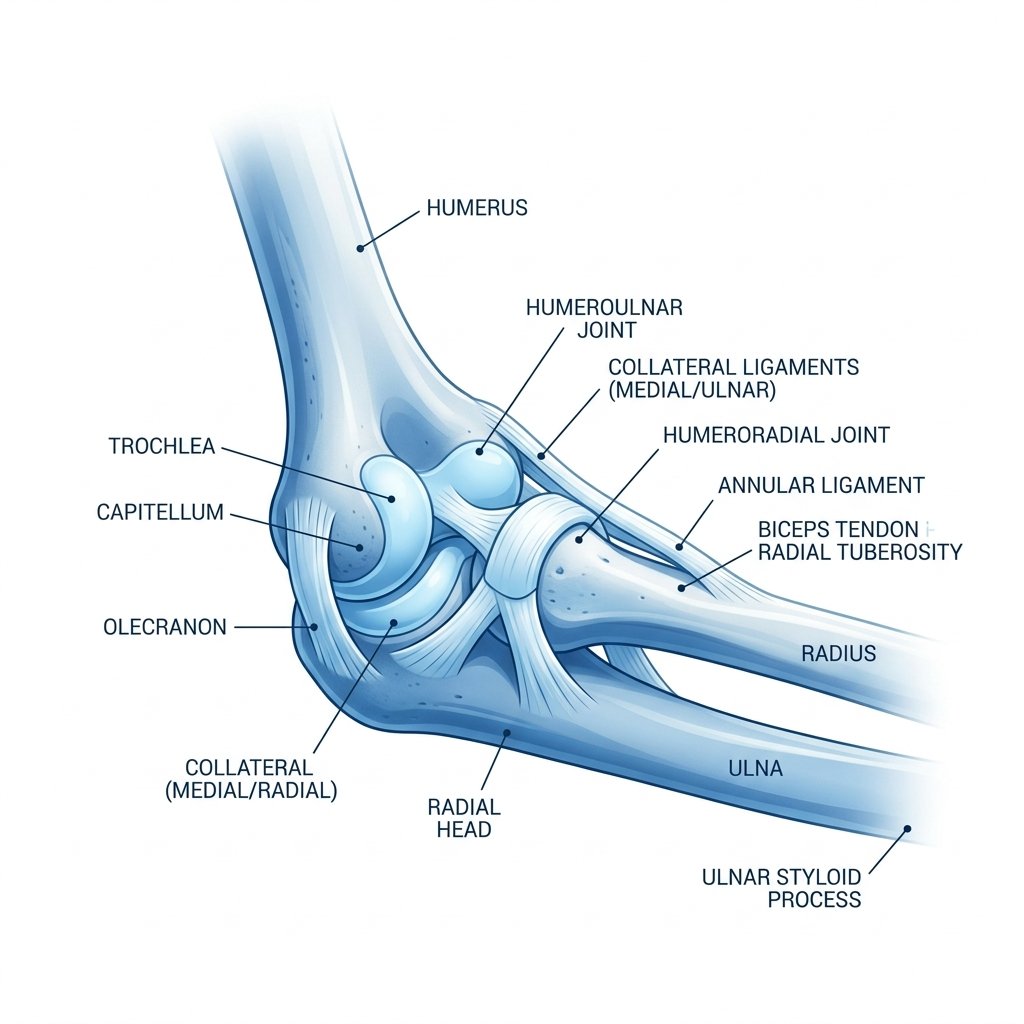
Complex Joint Fracture Reconstruction
Detailed planning and fixation for selected fractures extending into or around a joint surface.
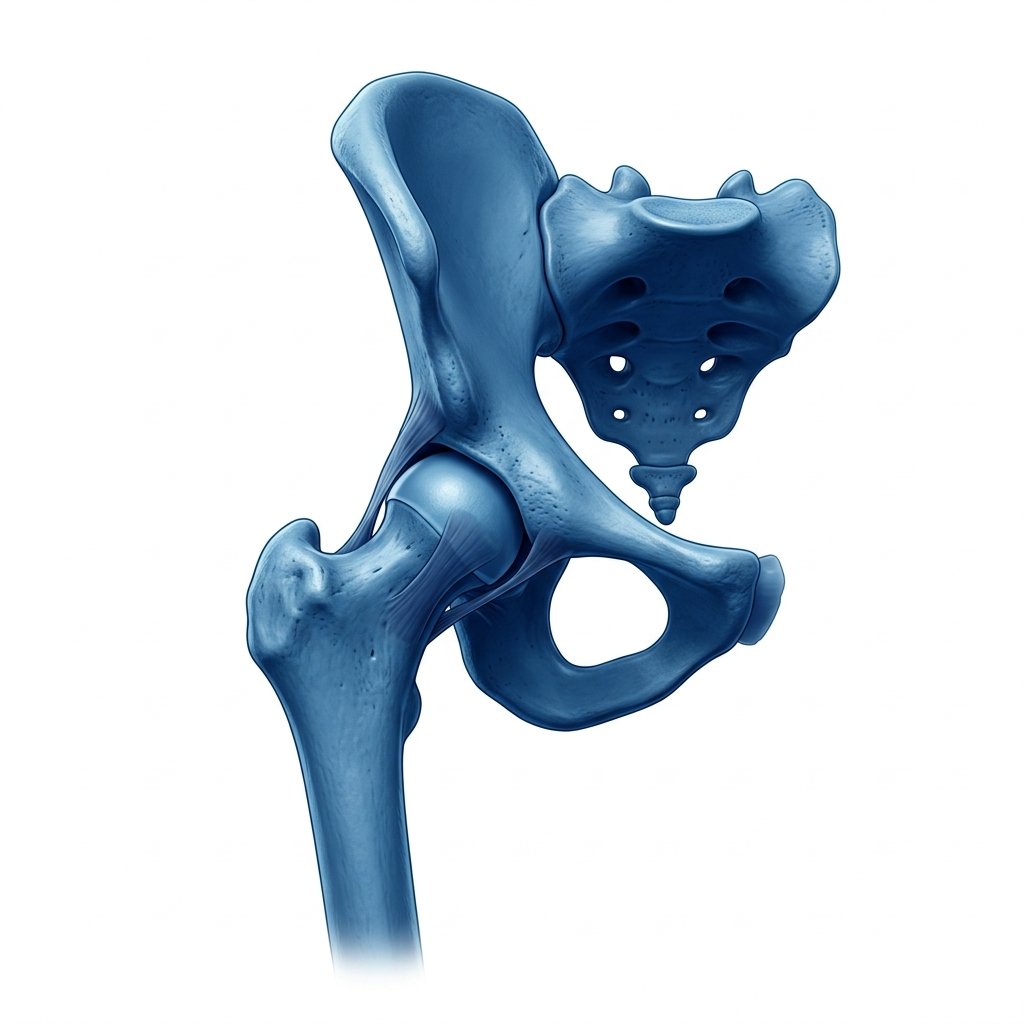
Geriatric Fragility Fracture Care
Personalized fracture stabilization for older adults with osteoporosis or fragile bone.
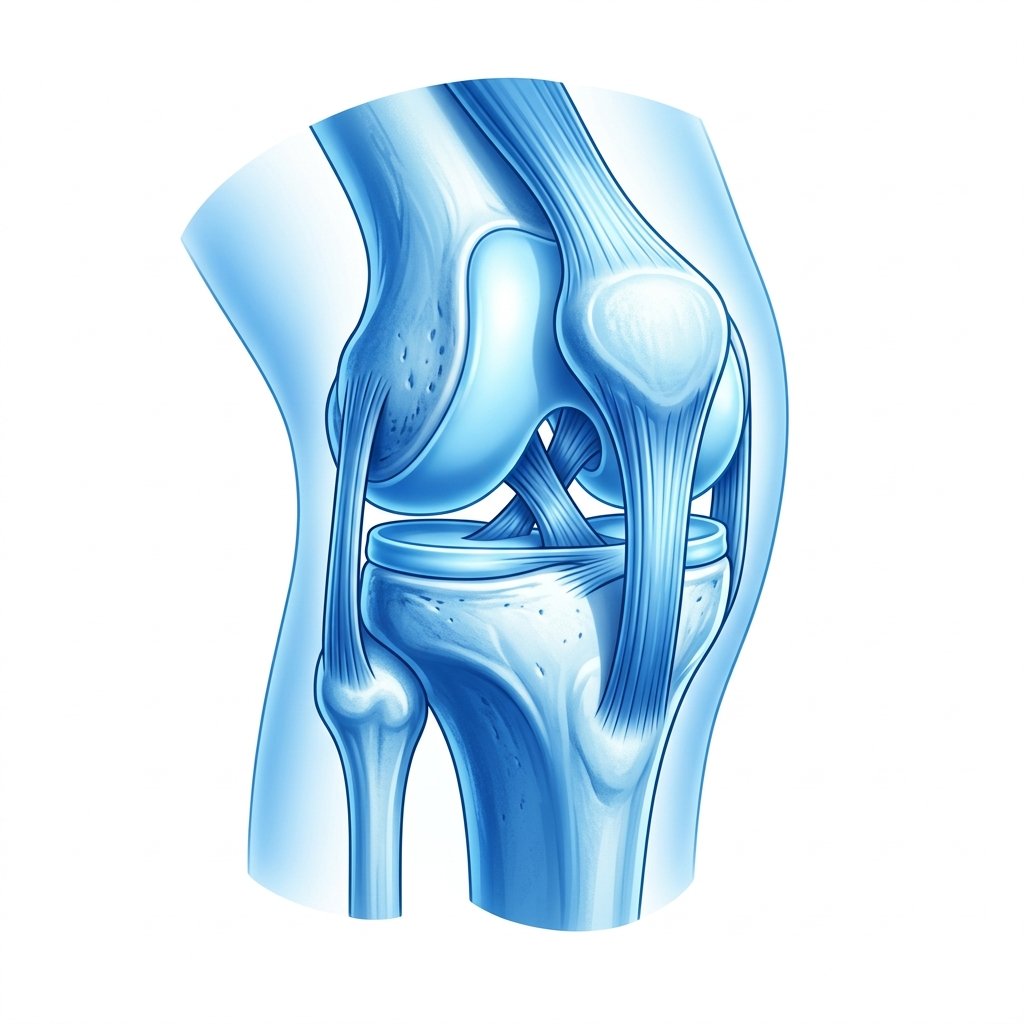
Nonunion & Malunion Revision
Revision fixation and bone-grafting options for selected fractures that heal poorly or in incorrect alignment.
When Is MIS Fixation Recommended?
The decision between casting, open surgery and minimally invasive fixation is made after examining the fracture, imaging, stability, soft tissues and patient-related risks.
The MIS Fracture Recovery Journey
From fracture assessment and CT planning to fixation and rehabilitation, Dr. Vipin Singh provides structured trauma care in Indore.
Fracture Assessment & CT Planning
Examination, X-rays and CT imaging help identify displacement, joint involvement and fracture complexity.
Personalized Fixation Planning
Plates, screws or nails are selected according to fracture location, stability and bone quality.
Minimally Invasive Fixation
Selected fractures are stabilized through smaller approaches while limiting unnecessary tissue exposure.
Guided Mobilization & Rehabilitation
Movement and weight bearing progress according to fixation stability, healing and medical guidance.
Frequently Asked Questions
MIS fracture fixation uses plates, screws or nails through smaller surgical approaches in selected fractures to stabilize the bone while limiting tissue exposure.
MIS and MIPO techniques are designed to minimize unnecessary soft-tissue stripping and preserve blood supply around suitable fracture areas.
Personalized MIS Fracture Fixation
Consult Dr. Vipin Singh, an orthopedic surgeon in Indore, for complex fracture assessment and minimally invasive fixation planning.