
Dr. Vipin Singh
Regenerative Orthopaedics Specialist
Advanced
Regenerative Medicine& PRP
Personalized PRP and injection-based care for selected joint, tendon and ligament conditions by Dr. Vipin Singh, an orthopedic doctor in Indore.
Why Choose Regenerative Therapy?
Autologous PRP Preparation
PRP is prepared from a sample of the patient’s own blood and used for selected orthopaedic conditions.
Ultrasound-Guided Placement
Ultrasound guidance may help the doctor identify the treatment area and perform accurate needle placement.
Non-Surgical Treatment Option
PRP or other injections may be considered alongside exercise, physiotherapy and activity modification.
Planned Outpatient Care
Selected injection procedures may be performed without hospital admission after clinical assessment.
PRP may be considered for selected tendon and joint conditions, but evidence is not equally strong for every diagnosis. Ultrasound guidance supports visualized needle placement, but it does not guarantee a particular outcome.
Regenerative & Injection Solutions
Platelet-Rich Plasma (PRP) Injections
PRP prepared from the patient’s blood may be considered for selected tendon injuries and early joint symptoms.
Hyaluronic Acid Viscosupplementation
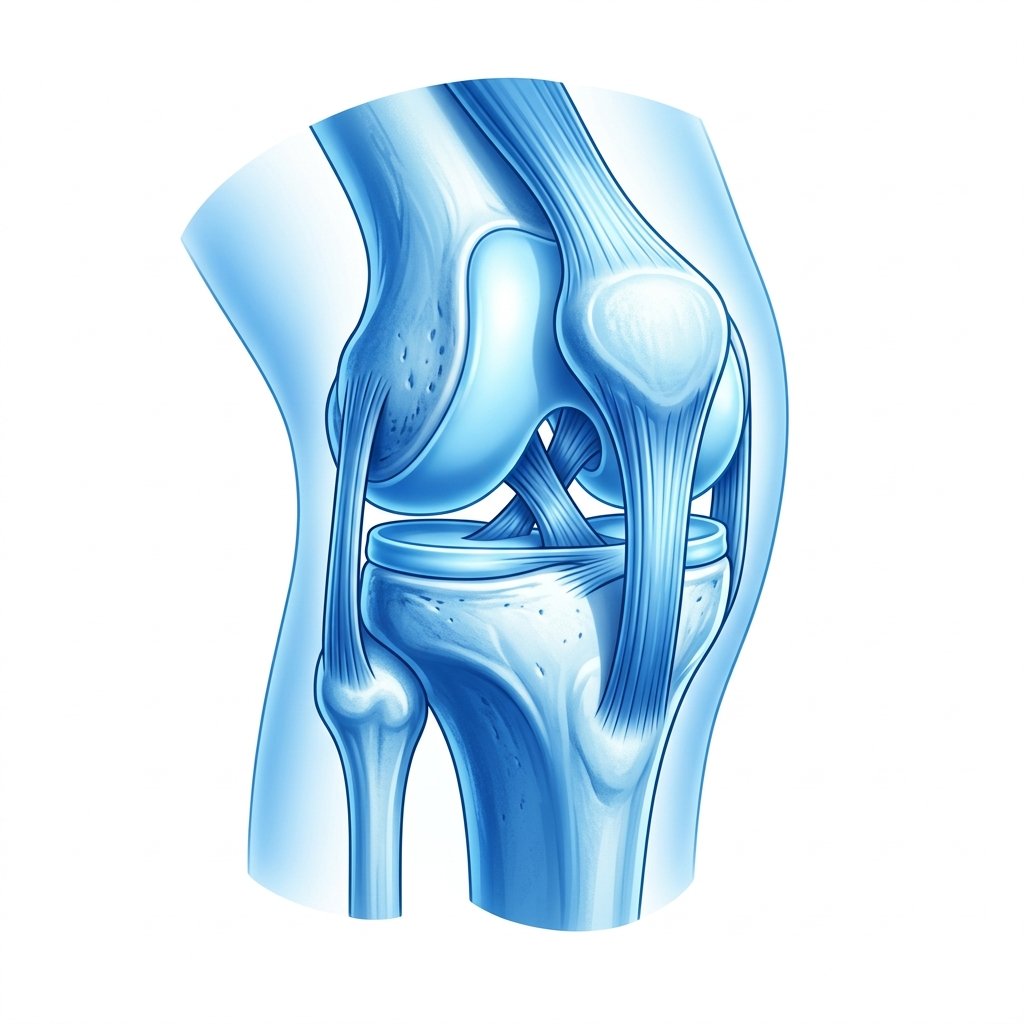
Hyaluronic acid injections may be considered for selected patients with symptomatic knee osteoarthritis.
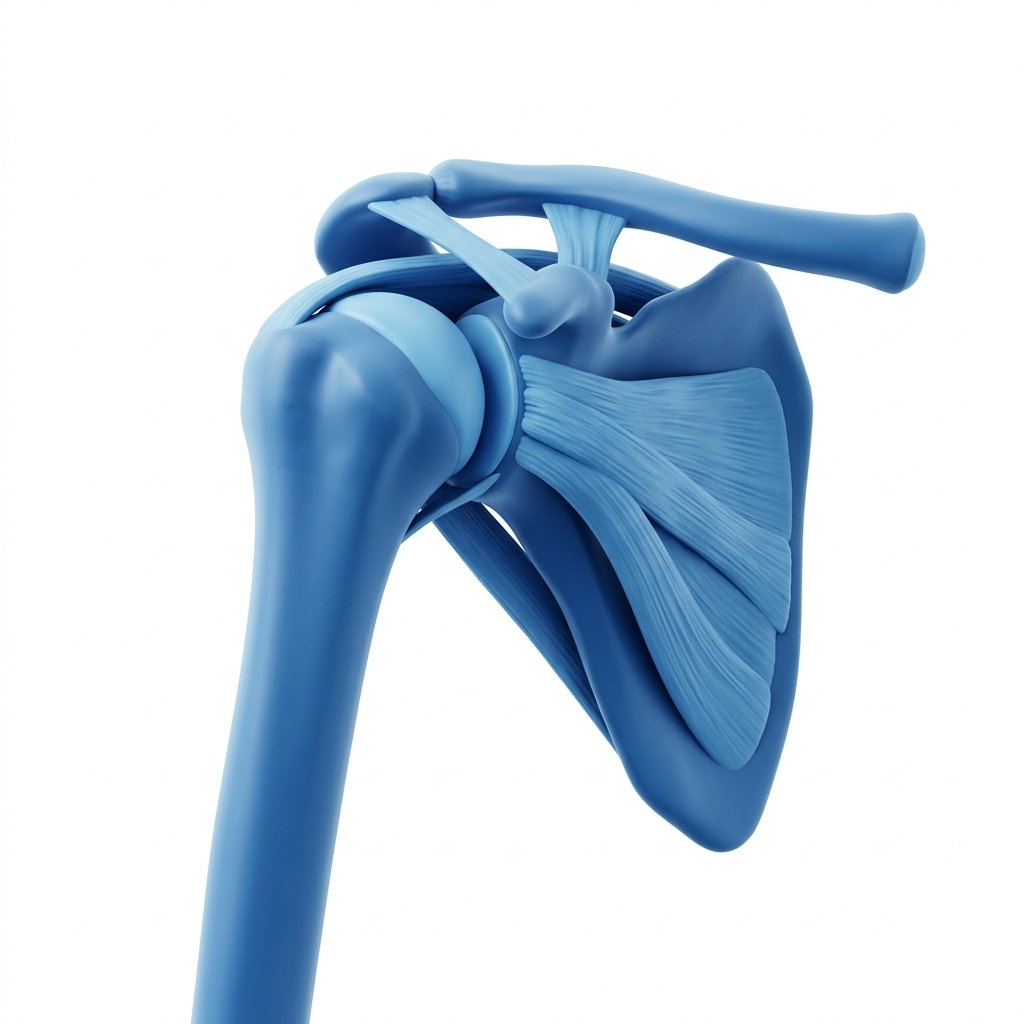
PRP for Tendon & Ligament Conditions
PRP may be evaluated for selected persistent tendon conditions after suitable conservative treatment.
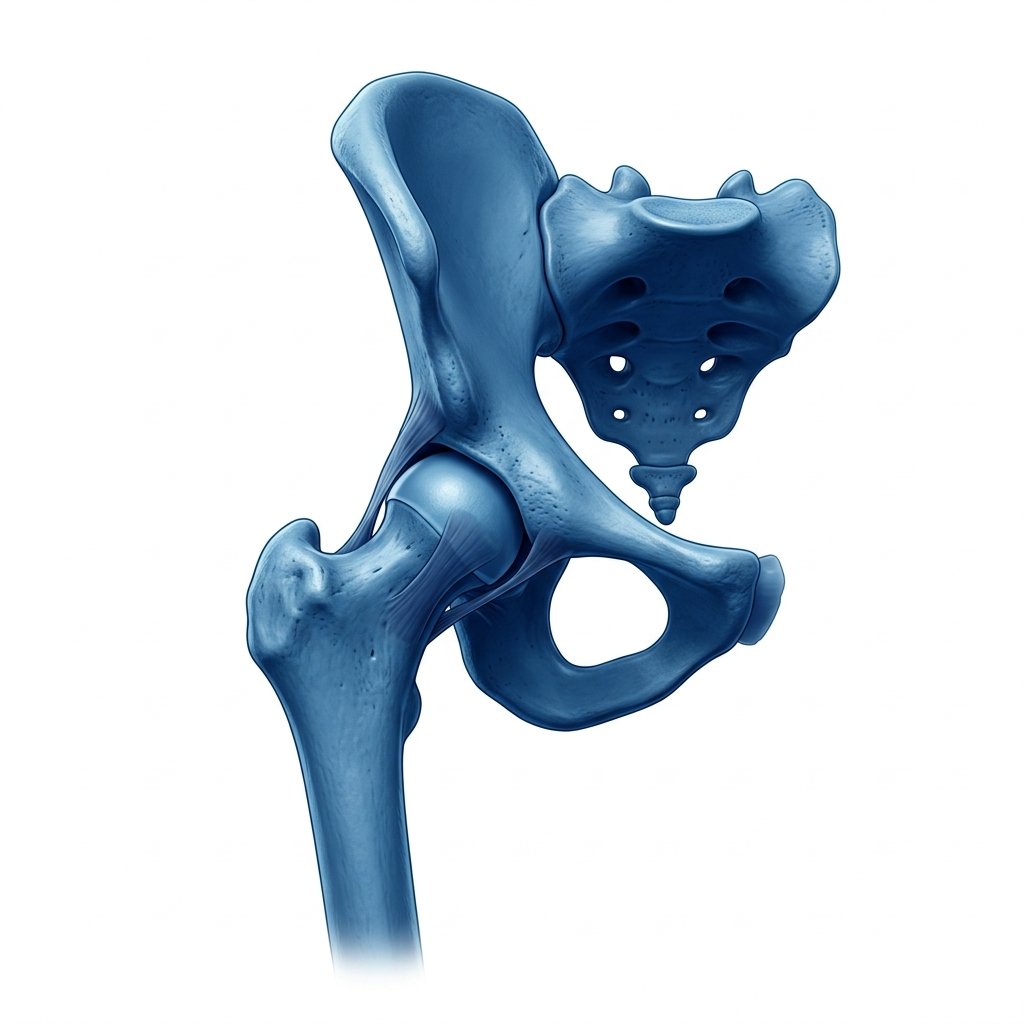
Bone Marrow Aspirate Assessment
Bone-marrow-derived procedures require careful evaluation of evidence, suitability and applicable regulations.
Who May Be Considered for PRP Therapy?
PRP suitability depends on the confirmed diagnosis, symptom duration, previous treatment, medicines, medical history and realistic expectations. It is not appropriate for every painful joint or tendon condition.
The PRP Treatment Process
From diagnosis and suitability assessment to injection and rehabilitation, care is planned according to your condition and recovery goals.
Clinical & Imaging Assessment
Examination and available imaging help confirm the diagnosis and determine whether PRP is appropriate.
Blood Collection & Preparation
A blood sample is processed to prepare a platelet-concentrated solution for the planned procedure.
Image-Guided Injection
The preparation is injected into the selected area, with ultrasound guidance when clinically useful.
Rehabilitation & Follow-Up
Activity guidance and rehabilitation support recovery while symptoms and function are monitored.
Frequently Asked Questions
PRP uses components prepared from your own blood, but no medical procedure is risk-free. Temporary pain, swelling, bleeding or infection may occur.
Using autologous blood may reduce certain compatibility concerns, but the page should never claim zero risk of allergy, infection, reaction or complications.
Explore PRP & Joint Pain Treatment
Consult Dr. Vipin Singh, an orthopedic surgeon in Indore, to understand whether PRP or another non-surgical option may suit your condition.